❓ Frequently Asked Questions
1. What is GLP-1 medication and how does it work?
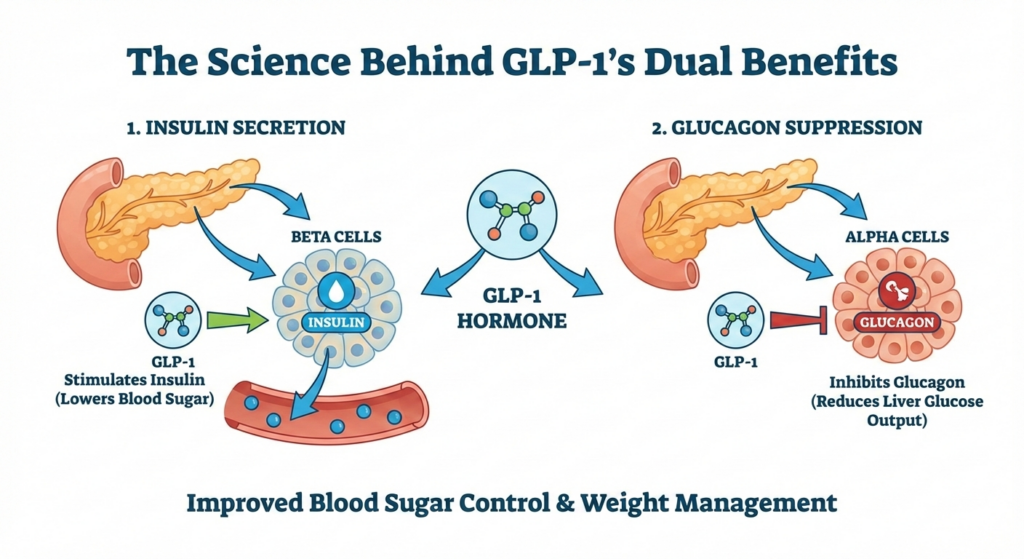
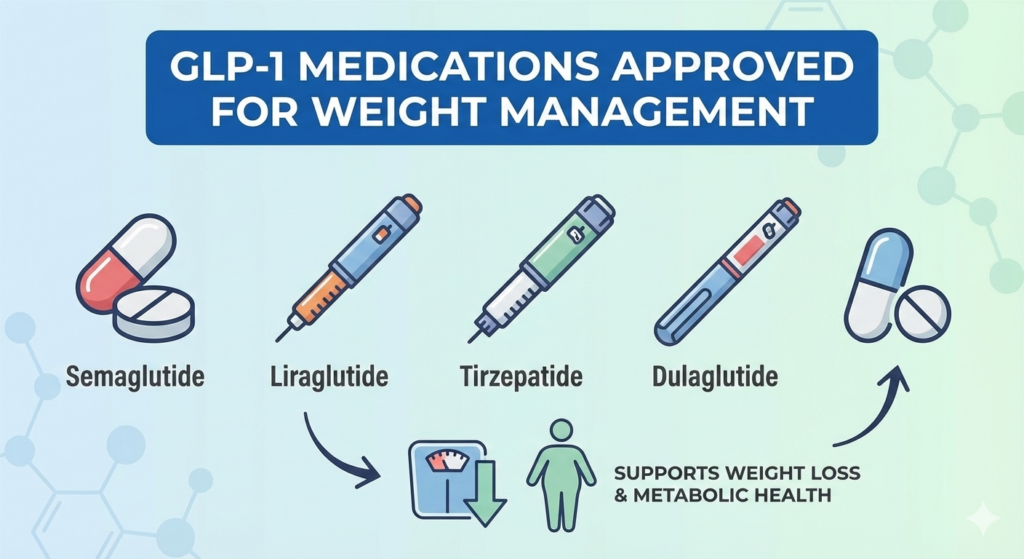
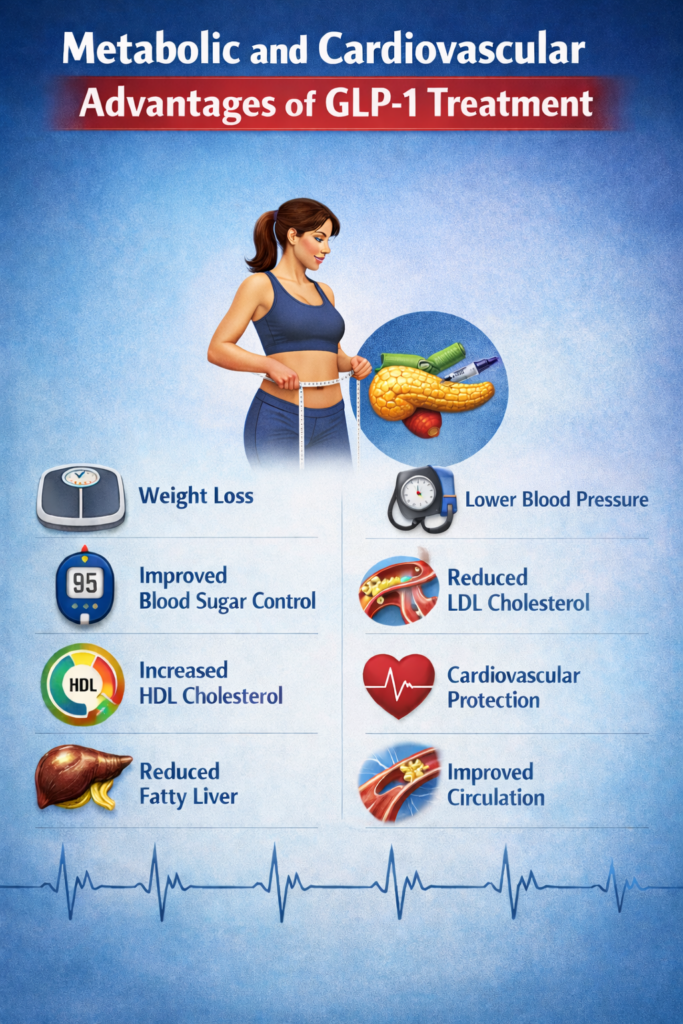
GLP-1 (glucagon-like peptide-1) medications are a class of drugs known as GLP-1 receptor agonists. They work by mimicking the effects of the natural GLP-1 hormone in your body, which regulates appetite, blood sugar levels, and digestion. These medications reduce hunger, increase feelings of fullness, slow stomach emptying, and improve insulin sensitivity, leading to reduced calorie intake and weight loss.
2. What is the best GLP-1 for weight loss?
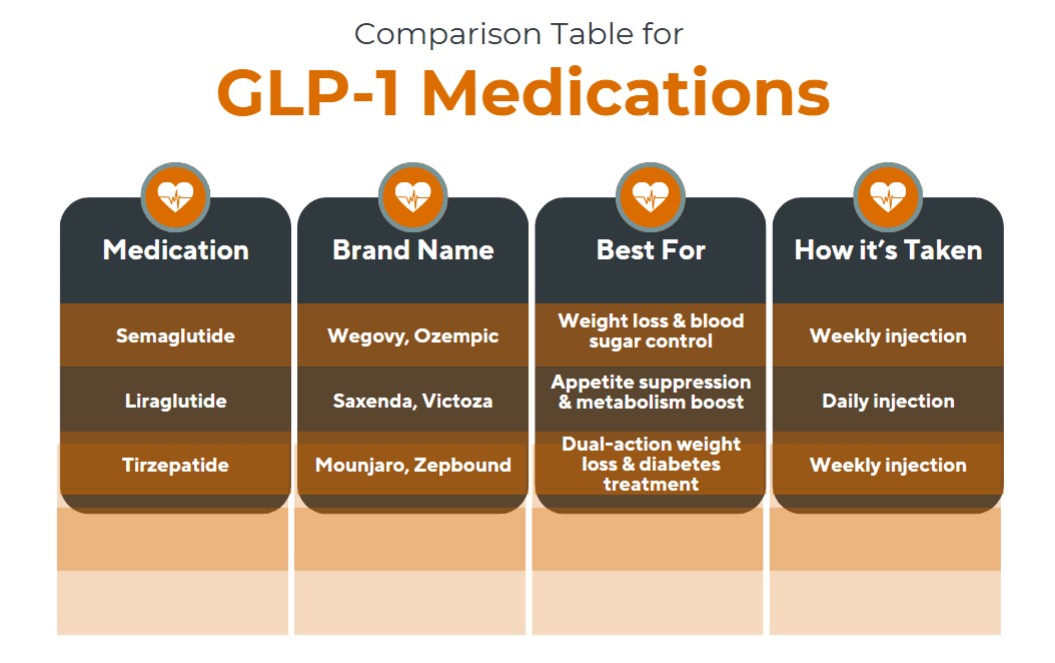
Clinical studies show that semaglutide (Wegovy) typically produces the greatest weight loss, with average reductions of 15-20% of body weight. However, the “best” GLP-1 medication depends on individual factors including medical history, weight loss goals, tolerance to side effects, insurance coverage, and personal preferences regarding administration frequency (daily vs. weekly injections).
3. What are the common side effects of GLP-1 medications?
The most common side effects are gastrointestinal and include nausea, vomiting, diarrhea, and constipation, particularly when starting treatment or increasing doses. These effects are usually temporary and can be managed by starting with a low dose and increasing gradually. Other potential side effects may include headache, fatigue, and reactions at the injection site.
4. How long does it take to see results with GLP-1 medications?
Most people begin to notice reduced appetite within the first few weeks of treatment. Significant weight loss typically becomes apparent after 2-3 months at therapeutic doses, with the most substantial weight loss occurring in the first 6-12 months of treatment. Individual results vary based on starting weight, adherence to treatment, and incorporation of lifestyle changes.
5. Can I get GLP-1 medications over the counter?
No, GLP-1 medications are prescription-only and require medical supervision. There are currently no GLP-1 medications available over the counter. These medications require a prescription from a healthcare provider who can assess whether they’re appropriate for your individual situation and monitor your progress and any potential side effects.
6. What is microdosing GLP-1 and is it effective?
Microdosing GLP-1 involves starting with doses below the standard recommendations and increasing more gradually than typical protocols. This approach may help reduce gastrointestinal side effects when starting treatment. While not yet a standard protocol, some healthcare providers use microdosing strategies for individuals who are sensitive to medication side effects. Effectiveness varies by individual, and this approach should only be used under medical supervision.
7. How long do I need to take GLP-1 medications?
Obesity is generally considered a chronic condition that requires long-term management. Studies show that most people regain weight if they discontinue GLP-1 medications. Therefore, treatment is typically ongoing, similar to medications for other chronic conditions like hypertension or diabetes. However, some individuals may transition to lower maintenance doses after achieving their weight loss goals.
8. Are GLP-1 medications covered by insurance?
Coverage varies significantly by insurance plan and indication. GLP-1 medications approved for weight management (like Wegovy and Saxenda) may have more restrictive coverage than those approved for diabetes. Many insurance plans require prior authorization, demonstration of previous weight loss attempts, and specific BMI criteria. Some manufacturers offer patient assistance programs for eligible individuals.
9. Can GLP-1 medications be used with other weight loss treatments?
GLP-1 medications are often combined with lifestyle interventions (diet and exercise) for optimal results. Combination with other prescription weight loss medications is generally not recommended without specific medical guidance. Some healthcare providers may combine GLP-1 medications with other treatments in specific circumstances, but this should only be done under close medical supervision due to potential interactions and increased risk of side effects.