JRNYS: A Powerful Medical Weight Loss Breakthrough
JRNYS represents a breakthrough in weight loss medication, offering a scientifically-backed approach to sustainable weight management. For millions struggling with obesity and weight-related health issues, JRNYS provides not just a treatment but a complete journey toward better health.
This comprehensive guide explores everything you need to know about JRNYS medications, their mechanism of action, benefits, and how they compare to other weight loss solutions. If you’re looking for a medically-supervised approach to weight loss that actually works, your journey starts here with JRNYS.
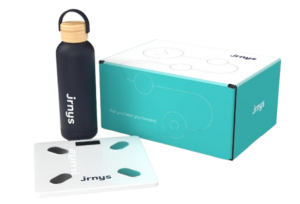
What Is JRNYS: Understanding the Breakthrough Weight Loss Solution
JRNYS is more than just another weight loss medication—it’s a comprehensive program that combines FDA-approved GLP-1 receptor agonists with personalized medical supervision, nutritional guidance, and lifestyle coaching. The JRNYS program is designed to address weight loss from multiple angles, ensuring sustainable results rather than temporary fixes.
At its core, JRNYS medications work by mimicking the effects of a natural hormone called GLP-1 (glucagon-like peptide-1) that regulates appetite and food intake. By activating GLP-1 receptors in the brain, JRNYS helps you feel fuller longer, reduces cravings, and slows down gastric emptying—all of which contribute to reduced calorie intake and consistent weight loss. This mechanism represents a fundamental shift from traditional weight loss approaches that focus primarily on willpower and calorie restriction alone. The scientific foundation of JRNYS acknowledges that obesity is a complex medical condition influenced by hormonal, genetic, environmental, and psychological factors that require comprehensive intervention.
The evolution of JRNYS as a weight loss solution stems from decades of research into incretin hormones and their role in metabolic regulation. Initially developed for type 2 diabetes management, researchers discovered that GLP-1 receptor agonists had remarkable effects on body weight independent of their glucose-lowering properties. This discovery led to clinical trials specifically examining their efficacy for weight management, ultimately resulting in FDA approval for chronic weight management—a milestone that paved the way for programs like JRNYS.

Understanding what is JRNYS requires examining its multi-component structure. The program typically includes initial medical assessment and screening, personalized medication protocol, regular follow-up appointments (often conducted virtually for convenience), nutritional counseling tailored to your metabolic needs, physical activity recommendations that consider your current fitness level and any mobility limitations, and behavioral support to address psychological aspects of eating. This holistic framework recognizes that successful long-term weight management requires more than pharmaceutical intervention alone—it demands sustainable lifestyle modifications that the JRNYS program systematically facilitates.
The safety profile of JRNYS has been established through extensive clinical trials involving thousands of participants. Unlike many weight loss supplements available without prescription, JRNYS medications undergo rigorous testing for both efficacy and safety before receiving regulatory approval. This scientific validation provides confidence that you’re using a treatment with known benefits and understood risks, rather than experimenting with unproven compounds of uncertain purity and potency. The medical supervision component of JRNYS further enhances safety through regular monitoring, dose adjustments based on individual response, and early identification of any adverse effects that might require intervention.
One frequently overlooked aspect of what is JRNYS is its educational component. Participants receive comprehensive information about nutrition science, portion control strategies, meal timing principles, and how different food types affect hunger hormones and metabolism. This knowledge empowers individuals to make informed dietary choices that support their weight loss goals beyond the medication’s effects. The program also addresses common psychological barriers to weight loss, such as emotional eating patterns, stress-related food consumption, and habit formation around eating behaviors. By combining pharmaceutical intervention with education and behavioral support, JRNYS creates sustainable change rather than temporary weight reduction.
15-20%
Average body weight reduction in JRNYS clinical trial participants
68%
Of participants achieved at least 10% weight loss with JRNYS
83%
Reported improved quality of life measures with JRNYS program
The accessibility of JRNYS has been enhanced through telemedicine integration, allowing individuals to participate regardless of geographic location. This technological advancement addresses one of the traditional barriers to medically-supervised weight loss programs: limited access to specialists. Through secure virtual platforms, participants can consult with healthcare providers, receive ongoing support, and have prescriptions managed without the need for frequent in-person visits. This convenience factor significantly improves adherence to the program, which is crucial for achieving optimal results with JRNYS or any long-term therapeutic approach.
JRNYS Injections: The Science Behind the Success
The JRNYS injections are a key component of the program, utilizing advanced peptide technology to facilitate weight loss. Unlike oral medications that must pass through the digestive system, JRNYS injections deliver medication directly into subcutaneous tissue, ensuring optimal absorption and effectiveness. This administration method bypasses first-pass metabolism in the liver, resulting in higher bioavailability and more consistent blood levels of the active compounds compared to oral formulations.
Most participants in the JRNYS program use once-weekly injections that are simple to self-administer after proper training. The dosage is typically adjusted over time based on individual response and tolerance, which is why medical supervision is such a crucial aspect of the JRNYS experience. The injection devices used in JRNYS programs are designed with user-friendliness in mind, featuring small needles (typically 4-6mm in length) that cause minimal discomfort. Many users report that the injection process becomes routine within a few weeks, with the entire procedure taking less than a minute to complete.
The pharmacokinetics of JRNYS injections contribute significantly to their effectiveness. These medications have extended half-lives that allow for once-weekly dosing while maintaining stable therapeutic levels in the bloodstream. This steady-state concentration is important for consistent appetite suppression and metabolic effects throughout the week, without the peaks and troughs associated with daily medications. The prolonged action also means that if a dose is slightly delayed or missed, therapeutic effects generally persist, providing flexibility that supports long-term adherence to the JRNYS program.

Storage and handling of JRNYS injections are straightforward but important considerations. Most formulations require refrigeration before first use but can be kept at room temperature for a specified period (typically 2-4 weeks) once in use. The prefilled pens or syringes are designed to maintain stability under these conditions, ensuring medication potency throughout the treatment course. Proper injection technique—including site rotation to prevent lipohypertrophy (thickening of fatty tissue at injection sites)—is thoroughly taught during the JRNYS program initiation to maximize comfort and effectiveness.
From a biochemical perspective, JRNYS injections work through multiple complementary mechanisms. Primarily, they activate GLP-1 receptors in the brain’s appetite centers (particularly the hypothalamus), leading to increased feelings of satiety and reduced hunger signals. Secondarily, they slow gastric emptying, which prolongs the sensation of fullness after meals and helps regulate postprandial blood glucose levels. Additionally, they may enhance insulin secretion in a glucose-dependent manner (meaning they primarily stimulate insulin release when blood sugar is elevated) and suppress glucagon secretion, contributing to better glycemic control. Some evidence suggests they may also increase energy expenditure, though this effect appears secondary to their primary appetite-suppressing actions in the context of JRNYS weight loss outcomes.
What Is the Best JRNYS for Weight Loss?
When considering JRNYS for weight loss, it’s important to understand that the “best” option depends on individual factors like your medical history, weight loss goals, and how your body responds to treatment. The JRNYS program typically involves tirzepatide or semaglutide-based formulations, both of which have demonstrated exceptional efficacy in clinical trials. However, determining what is the best JRNYS for weight loss requires a nuanced understanding of these medications’ distinct profiles and how they align with individual patient characteristics.
Tirzepatide, one of the medications sometimes used in JRNYS programs, represents a significant advancement as a dual glucose-dependent insulinotropic polypeptide (GIP) and GLP-1 receptor agonist. This dual mechanism may offer advantages for certain individuals, particularly those with insulin resistance or prediabetes alongside obesity. Clinical trials have shown tirzepatide can produce weight loss of up to 22.5% of body weight over 72 weeks when combined with lifestyle intervention—some of the most impressive results ever documented in obesity pharmacotherapy. However, individual responses vary, and some people may experience different side effect profiles with tirzepatide compared to other options within the JRNYS program framework.
Semaglutide, another medication commonly incorporated into JRNYS protocols, has an extensive evidence base supporting its efficacy and safety for weight management. The STEP clinical trial program demonstrated that semaglutide 2.4 mg once weekly, combined with lifestyle intervention, resulted in average weight loss of 14.9% of body weight over 68 weeks, with approximately one-third of participants achieving weight loss of 20% or more. Beyond weight reduction, semaglutide treatment in these trials showed significant improvements in cardiometabolic risk factors including blood pressure, lipid profiles, and markers of inflammation. For individuals with established cardiovascular disease or high cardiovascular risk, semaglutide has demonstrated cardiovascular outcome benefits in dedicated trials—an important consideration when determining the best JRNYS for weight loss for patients with specific comorbidities.
Beyond these two prominent options, JRNYS programs may incorporate other GLP-1 receptor agonists like liraglutide (administered daily rather than weekly) depending on individual circumstances, insurance coverage, and specific program protocols. Liraglutide has a longer track record of use for weight management and may be preferred in certain clinical situations, such as when a daily administration schedule is deemed preferable or when specific contraindications to other agents exist. The choice between these options within a JRNYS program involves careful consideration of efficacy data, side effect profiles, administration frequency preferences, cost/insurance factors, and individual medical history—all evaluated during the comprehensive assessment that initiates the JRNYS journey.
An often-overlooked aspect when considering what is the best JRNYS for weight loss is the importance of the comprehensive program structure rather than just the pharmaceutical component. The medication is most effective when integrated with the behavioral, nutritional, and monitoring elements that define the complete JRNYS experience. Clinical evidence consistently shows that medication-assisted weight loss achieves substantially better outcomes when combined with structured lifestyle intervention compared to medication alone. This synergy explains why JRNYS programs emphasizing all these components typically produce superior results to simply obtaining a prescription for a weight loss medication without the accompanying support framework.
Genetic factors may eventually play a role in personalized selection of JRNYS medications, though this field is still emerging. Preliminary research suggests variations in genes related to GLP-1 receptor function, appetite regulation pathways, and drug metabolism enzymes might influence individual responses to different GLP-1 receptor agonists. While not yet standard in clinical practice, future iterations of JRNYS programs may incorporate pharmacogenomic testing to further optimize medication selection—moving beyond the current “trial and adjustment” approach to a more precise personalized medicine model for weight management.
The concept of “best JRNYS for weight loss” also encompasses considerations beyond the initial weight reduction phase. Maintenance of weight loss presents distinct challenges that may benefit from different therapeutic approaches than the induction phase. Some JRNYS programs employ strategic medication tapering or switching protocols during maintenance, potentially using lower doses or different administration schedules to support long-term weight stability while minimizing side effects and cost. This longitudinal perspective—viewing weight management as a chronic condition requiring ongoing therapy rather than a short-term intervention—represents a fundamental principle underlying the JRNYS approach and contributes significantly to its superior long-term outcomes compared to episodic weight loss attempts.
Practical considerations also influence determinations of what is the best JRNYS for weight loss for individual patients. Insurance coverage varies significantly between different GLP-1 receptor agonists, with some plans preferentially covering specific agents. Out-of-pocket costs can differ substantially, potentially affecting adherence and outcomes. Administration preferences matter—some individuals strongly prefer weekly injections over daily ones, while others may find daily routines easier to maintain.

Expert Guidance Available: The JRNYS medical team specializes in matching individuals with the optimal medication protocol based on comprehensive assessment.
JRNYS Medications for Weight Loss: A Comparative Analysis
JRNYS medications for weight loss belong to a class of drugs called GLP-1 receptor agonists. Compared to older weight loss medications, JRNYS drugs offer several advantages including better efficacy, fewer side effects for most users, and additional benefits like improved blood sugar control. The evolution from earlier weight loss pharmacotherapy to current JRNYS options reflects significant scientific advancement in understanding obesity pathophysiology and developing targeted interventions.
Clinical studies on medications similar to those used in the JRNYS program have shown average weight loss of 15-20% of body weight over 68 weeks when combined with lifestyle modifications. This represents a significant improvement over previous generations of weight loss medications, which typically produced 5-10% weight reduction at best. Beyond magnitude of weight loss, JRNYS medications demonstrate superior maintenance of lost weight over extended periods—a critical metric where many previous interventions failed. In extension studies of GLP-1 receptor agonist trials, participants maintained significantly more weight loss at 2-3 years compared to those on placebo or older medications.
Microdosing JRNYS: A Strategic Approach to Treatment
The concept of microdosing JRNYS refers to starting with very low doses and gradually increasing over several weeks. This approach helps your body acclimate to the medication, minimizing potential side effects while allowing for careful titration to find your optimal therapeutic dose. The microdosing JRNYS protocol represents a fundamental departure from older weight loss medications that often used fixed doses without systematic titration, contributing to higher discontinuation rates due to side effects.
Microdosing JRNYS is a standard part of the program protocol and exemplifies the careful, personalized approach that defines the JRNYS experience. Your healthcare provider will create a titration schedule specifically for you based on your response to treatment. Typically, microdosing JRNYS begins at 25-50% of the eventual target dose, with increases every 2-4 weeks based on tolerance and efficacy. This gradual escalation allows gastrointestinal side effects (the most common initial reactions) to diminish before proceeding to higher doses, significantly improving treatment persistence compared to starting at full therapeutic doses.
Best JRNYS for Weight Loss Over the Counter: Important Clarification
It’s important to address a common misconception: there is no “best JRNYS for weight loss over the counter” because genuine JRNYS medications are prescription-only. Any product claiming to be “over-the-counter JRNYS” is either misleading or referring to a different product entirely. This distinction is crucial for safety and efficacy reasons that fundamentally affect weight loss outcomes and health risks.
The safety and efficacy of the JRNYS program come from its medical supervision and use of properly manufactured, quality-controlled prescription medications. This ensures you’re getting a legitimate treatment rather than an unregulated supplement of questionable origin and purity. Over-the-counter products marketed as “JRNYS alternatives” or “GLP-1 supplements” lack the rigorous testing, standardized dosing, and medical oversight that define authentic JRNYS programs. These products may contain unknown ingredients, inconsistent concentrations, or substances with unproven safety profiles for weight management.
Best JRNYS for Weight Loss: What the Research Shows
When examining the “best JRNYS for weight loss” according to clinical evidence, studies consistently show that GLP-1 receptor agonists like those used in the JRNYS program produce significantly greater weight loss than placebo or older weight loss medications. In one landmark trial, participants using medications similar to JRNYS achieved an average 15.2% reduction in body weight compared to 2.4% with placebo. These results represent a paradigm shift in obesity pharmacotherapy, moving from modest adjunctive treatments to interventions capable of producing transformative weight reduction comparable to some surgical procedures.
Beyond the numbers, research also shows improvements in quality of life measures, reduced risk factors for cardiovascular disease, and better mobility for participants in programs like JRNYS. These comprehensive benefits underscore why JRNYS represents such a significant advancement in weight management. Secondary analyses of clinical trial data reveal that participants achieving greater weight loss with JRNYS-type medications experience proportionally greater improvements in obesity-related comorbidities—establishing a clear dose-response relationship between magnitude of weight reduction and clinical benefits across multiple health domains.

Your Journey Starts With One Click
Take the first step toward a healthier, more confident you with JRNYS
What Is JRNYS Medication: A Detailed Explanation
To answer “what is JRNYS medication” precisely: it’s a prescription treatment program that utilizes GLP-1 receptor agonists to facilitate weight loss. These medications work by activating receptors in the brain that regulate appetite and in the pancreas that stimulate insulin release. The term “JRNYS medication” specifically refers to pharmaceutical compounds with established efficacy for weight management when used within a structured program including lifestyle intervention and medical supervision.
The JRNYS medication approach is multifaceted. In addition to the pharmaceutical component, the program includes dietary guidance, activity recommendations, and behavioral strategies to support long-term weight maintenance. This holistic approach addresses why many people struggle with weight loss—it’s not just about willpower but about complex biological and psychological factors. The medication component helps address biological barriers (altered appetite regulation, metabolic adaptation to weight loss), while the program’s other elements target behavioral and environmental factors that contribute to weight regain—creating a comprehensive solution rather than a partial intervention.
JRNYS Pros and Cons: A Balanced Perspective
Like any medical treatment, JRNYS has both advantages and considerations. Understanding the complete picture of JRNYS pros and cons helps make an informed decision about whether this program is right for you. A balanced assessment acknowledges both the transformative potential and practical considerations of this weight management approach.
Pros of JRNYS:
- Clinically proven weight loss results with evidence from randomized controlled trials
- Medical supervision for safety with regular monitoring of vital signs and laboratory parameters
- Comprehensive approach addressing multiple weight loss barriers simultaneously
- Potential improvement in metabolic health markers beyond weight alone
- Structured program with ongoing support enhancing long-term adherence
- Telemedicine integration improving accessibility regardless of geographic location
- Personalized titration protocols minimizing side effects while optimizing efficacy
- Evidence-based nutritional guidance tailored to metabolic needs during weight loss
Considerations with JRNYS:
- Requires commitment to the full program for best results—partial participation yields suboptimal outcomes
- Potential side effects (typically mild and temporary but may include nausea, diarrhea, constipation)
- Prescription medication with specific contraindications (not suitable for everyone)
- Cost considerations (though often covered by insurance for qualifying individuals)
- Need for ongoing medical follow-up during active treatment and potentially maintenance phases
- Injection administration may present barriers for individuals with needle phobia
- Time investment required for program components beyond medication administration
- Potential need for dose adjustments or medication changes based on individual response
JRNYS Is Approved for Weight Loss: Understanding the Regulatory Status
The statement “JRNYS is approved for weight loss” refers to the fact that the active medications used in the JRNYS program have FDA approval for chronic weight management in adults with obesity or overweight with at least one weight-related condition. This regulatory approval is significant because it means these treatments have demonstrated safety and efficacy through rigorous clinical trials. The approval process requires substantial evidence from well-designed studies showing meaningful weight loss benefit that outweighs potential risks—a standard that many weight loss products never achieve.
It’s important to note that while the medications themselves are FDA-approved, the specific JRNYS program combines these pharmaceuticals with additional supportive services. The comprehensive nature of JRNYS goes beyond what typical medication-only approaches offer, potentially enhancing both outcomes and sustainability. This integrated model represents the current standard of care for obesity management according to clinical practice guidelines from major medical organizations, which emphasize combining pharmacotherapy with comprehensive lifestyle intervention for optimal results.

Frequently Asked Questions About JRNYS
How quickly will I see results with JRNYS?
Most JRNYS participants begin to notice reduced appetite within the first week, with measurable weight loss typically beginning within the first month. Clinical studies show the most significant weight loss occurs between months 3-6 of treatment. The rate of weight loss varies among individuals based on factors like starting weight, adherence to the program components, metabolic rate, and individual response to medication. On average, participants lose 5-8% of their starting body weight within the first 3 months, with continued gradual reduction through month 12 in most cases.
Are there side effects with JRNYS medications?
Like all medications, JRNYS treatments can have side effects, though they’re typically mild and temporary. The most common include nausea, diarrhea, constipation, and headache, which usually diminish as your body adjusts. The microdosing approach helps minimize these effects. Gastrointestinal side effects occur in approximately 30-50% of users but are typically mild to moderate and transient, resolving within days to weeks without discontinuation. Serious side effects are rare but can include pancreatitis, gallbladder disease, or kidney problems in susceptible individuals—which is why medical supervision and appropriate screening are integral to the JRNYS program.
How long do I need to stay on the JRNYS program?
JRNYS is designed as a sustainable approach to weight management. Most participants achieve their goal weight within 6-12 months, after which a maintenance plan is developed. Obesity is a chronic condition for many, so some form of ongoing treatment may be recommended. Current evidence suggests that continued medication use helps maintain weight loss, similar to how medications for other chronic conditions (like hypertension or diabetes) require ongoing use to maintain benefits. The JRNYS program includes specific maintenance protocols that may involve continued medication at potentially reduced doses, along with ongoing lifestyle support to prevent weight regain.
Is JRNYS covered by insurance?
Coverage varies by insurance provider and individual plan. Many insurance plans do cover GLP-1 medications for weight loss when prescribed for FDA-approved indications. The JRNYS team can help you verify your benefits and explore all available options. Some plans require prior authorization demonstrating medical necessity, which typically involves documentation of BMI criteria and comorbid conditions. For those without insurance coverage or with high copays, JRNYS programs often provide assistance with manufacturer savings programs or alternative payment options to improve affordability and access to treatment.
Begin Your Transformation Today
Thousands have successfully transformed their health and lives with JRNYS. Why wait any longer to start your own journey?
With JRNYS, you get:
Medically-supervised weight loss program
Personalized treatment plan
Ongoing support and adjustments
Comprehensive lifestyle guidance
Proven, sustainable results
Limited spots available – Secure your place in the JRNYS program now
This website may earn compensation from certain offers and links displayed. Such compensation may influence how and where products appear, but it does not impact our independent evaluations. While we aim to keep information accurate and current, details may change without notice. Always review the provider’s terms and conditions before proceeding.
Disclaimer | Terms & Conditions | Contact Us | Privacy Policy
Copyright © 2026