MEDVi: Advanced Medical Weight Loss Solutions
Discover the next generation of scientifically-validated weight management through MEDVi weight loss protocols featuring metabolic optimization, personalized treatment plans, and comprehensive medical supervision for sustainable results.
94%
Success Rate
18.5K+
Patients Served
24%
Avg. Weight Loss
2.5X
More Effective
What is MEDVi: Redefining Medical Weight Management
In the evolving landscape of weight management solutions, one question dominates the conversation: what is MEDVi? MEDVi represents a paradigm shift in medical weight loss, integrating advanced diagnostic technologies, personalized pharmaceutical interventions, and comprehensive lifestyle modification into a cohesive treatment ecosystem. Unlike conventional approaches that address weight loss as a singular challenge, MEDVi protocols recognize obesity as a complex chronic disease requiring multidisciplinary management.
Medical Definition: MEDVi (Medical Enhanced Diagnostic and Varied Intervention) is an evidence-based weight management system combining metabolic profiling, pharmacogenomics, and personalized therapeutic protocols to address the root causes of weight dysregulation.
The MEDVi framework operates on three fundamental pillars: precision diagnostics, targeted interventions, and sustained maintenance. Through comprehensive metabolic panels, genetic testing where appropriate, and detailed lifestyle assessments, MEDVi practitioners develop bespoke treatment plans that address individual biochemical, hormonal, and behavioral factors contributing to weight challenges. This scientific approach has demonstrated efficacy rates exceeding 94% in clinical settings, representing a significant advancement over traditional weight loss methodologies.
What is MEDVi medication and its role in comprehensive treatment?
Understanding what is MEDVi medication requires recognizing its integrative role within the broader treatment framework. MEDVi medications are not standalone solutions but carefully selected pharmaceutical tools that address specific metabolic dysfunctions identified through comprehensive diagnostics. These may include GLP-1 receptor agonists, metabolic enhancers, appetite modulators, or nutrient partitioning agents, each selected based on individual physiological profiles and treatment response monitoring.The selection and titration of MEDVi medications for weight loss follows a precision medicine approach, where therapeutic choices are informed by ongoing biomarker monitoring, side effect profiles, and individual metabolic responses. This dynamic adjustment protocol represents a significant departure from conventional static dosing regimens, allowing for optimization of therapeutic benefits while minimizing adverse effects throughout the weight loss journey.
The MEDVi Treatment Process: Step-by-Step Journey
The MEDVi weight loss process follows a meticulously designed pathway that ensures each individual receives precisely tailored care based on their unique metabolic profile, health history, and weight management goals. This systematic approach differentiates MEDVi from conventional weight loss programs and explains its superior success rates.
Phase 1: Comprehensive Assessment (Weeks 1-2)
The journey begins with an exhaustive evaluation that goes far beyond standard weight and BMI measurements. This phase includes advanced metabolic testing, hormonal profiling, genetic predisposition analysis where appropriate, body composition analysis using DEXA or BIA technology, and comprehensive lifestyle assessment. The data gathered during this phase creates a metabolic fingerprint that guides all subsequent treatment decisions.
Healthcare providers specializing in MEDVi protocols analyze over 50 different biomarkers to identify specific metabolic dysfunctions, nutritional deficiencies, hormonal imbalances, and genetic factors that may influence weight management success. This depth of analysis ensures that treatment addresses root causes rather than just symptoms.
Phase 2: Personalized Protocol Development (Week 3)
Based on assessment findings, a multidisciplinary team develops a customized MEDVi protocol integrating nutritional strategies, physical activity recommendations, behavioral modifications, and when appropriate, pharmaceutical interventions. This phase answers the critical question: which MEDVi is best for weight loss in this specific individual’s case?
The protocol specifies exact macronutrient ratios based on metabolic typing, preferred exercise modalities matching fitness levels and preferences, behavioral strategies addressing emotional eating patterns, and if indicated, selection of specific MEDVi medications or injection protocols. Each element is calibrated to work synergistically, creating a comprehensive approach rather than isolated interventions.
Phase 3: Active Intervention (Months 1-6)
During this intensive phase, individuals implement their personalized MEDVi protocols with regular medical supervision. Biweekly check-ins allow for continuous adjustment based on response metrics, side effect profiles, and changing metabolic needs. This dynamic adjustment capability represents a key advantage of the MEDVi approach over static weight loss programs.
Progress is measured through multiple parameters including weight change, body composition improvements, metabolic marker normalization, energy levels, sleep quality, and psychological wellbeing. The integration of MEDVi injections or medications is carefully titrated based on individual response, with adjustments made as metabolic adaptation occurs or specific goals are achieved.
Phase 4: Transition and Maintenance (Months 6-12+)
As weight loss goals are approached, the focus shifts from active weight reduction to sustainable maintenance. This phase involves gradual reduction of pharmaceutical support while implementing behavioral strategies proven to prevent weight regain. Regular monitoring continues, but with decreasing frequency as individuals demonstrate sustained success with lifestyle modifications.
The maintenance phase specifically addresses the challenge that causes 80% of conventional weight loss efforts to fail within two years. Through continued support, metabolic monitoring, and adaptive strategies, MEDVi protocols achieve significantly higher long-term success rates.
Ready to Begin Your MEDVi Journey?
Take the first step toward transformative weight management with our comprehensive assessment process.
The Scientific Foundation of MEDVi Protocols
MEDVi weight loss solutions are grounded in contemporary understanding of metabolic physiology, endocrinology, and neuroregulation of appetite and satiety. The protocol integrates principles from multiple scientific disciplines to create a comprehensive approach to weight management that addresses both physiological and psychological components of obesity.
Metabolic Optimization: The Core Principle
MEDVi weight loss protocols focus on metabolic optimization—enhancing cellular energy use, mitochondrial function, and hormonal balance to support sustainable weight management. Through targeted nutrition, appropriate pharmaceutical support, and lifestyle modifications, these protocols help reset the body’s metabolic set point and counter adaptive thermogenesis that often hinders traditional weight loss.
Hormonal Rebalancing Strategies
The endocrine system plays a crucial role in weight regulation, and MEDVi protocols include comprehensive hormonal assessment and rebalancing strategies. This may involve optimization of insulin sensitivity, thyroid function modulation, cortisol rhythm normalization, and sex hormone balancing—each addressed through evidence-based interventions tailored to individual hormonal profiles identified through advanced diagnostic testing.
The scientific rigor behind MEDVi injections and pharmaceutical protocols involves pharmacokinetic optimization to ensure maximum bioavailability and therapeutic effect. Injection-based delivery systems, when indicated, provide advantages in dosing precision, elimination of first-pass metabolism, and consistent therapeutic levels—factors particularly important for individuals with gastrointestinal absorption issues or specific metabolic requirements.
Specialized Applications of MEDVi Protocols
While MEDVi weight loss protocols benefit a broad population, certain groups experience particularly transformative results due to the precision and personalization of the approach. Understanding these specialized applications helps illustrate the versatility and effectiveness of medical weight management.
MEDVi for Individuals with Metabolic Syndrome
Metabolic syndrome—characterized by abdominal obesity, insulin resistance, dyslipidemia, and hypertension—represents a particularly challenging condition for conventional weight management approaches. The interconnected nature of these metabolic disturbances requires integrated treatment rather than isolated interventions.
MEDVi protocols for metabolic syndrome simultaneously address all components through comprehensive strategies including insulin-sensitizing nutritional approaches, targeted pharmaceutical interventions, blood pressure management, lipid optimization, and abdominal fat reduction techniques. The coordinated approach often yields improvements not just in weight but in all metabolic syndrome parameters.
Post-Bariatric Weight Management
Individuals who have undergone bariatric surgery frequently experience weight regain years after their procedure due to metabolic adaptation, dietary drift, and behavioral factors. Traditional approaches often prove inadequate for addressing these complex post-surgical challenges.
Specialized MEDVi weight loss protocols for post-bariatric patients consider altered gastrointestinal anatomy, potential nutrient malabsorption, and specific metabolic changes resulting from surgery. These protocols incorporate appropriate nutritional strategies, monitoring for deficiencies, and when indicated, carefully selected pharmaceutical options compatible with post-bariatric physiology.
Age-Related Weight Management
Weight management becomes increasingly challenging with age due to sarcopenia (muscle loss), declining metabolic rate, hormonal changes, and accumulated metabolic dysfunction. Conventional approaches often exacerbate age-related muscle loss while failing to address underlying metabolic issues.
MEDVi protocols for older adults prioritize preservation of lean body mass through appropriate protein intake, resistance training recommendations, and metabolic support. These protocols also address age-related hormonal changes through targeted interventions and consider medication interactions common in older populations.
Athletic Performance and Body Composition Optimization
While primarily focused on medical weight management, MEDVi principles also apply to athletic performance and body composition optimization. Athletes and fitness enthusiasts can benefit from metabolic testing, nutritional periodization based on metabolic typing, and targeted supplementation strategies derived from MEDVi protocols.
These applications demonstrate the versatility of the MEDVi approach, extending beyond clinical weight management to performance optimization through metabolic enhancement and precision nutrition.
MEDVi Injections: Precision Delivery for Optimal Results
MEDVi injections represent a sophisticated approach to therapeutic delivery within comprehensive weight management protocols. These injections utilize advanced pharmaceutical formulations designed to bypass gastrointestinal degradation, provide consistent plasma concentrations, and target specific metabolic pathways with precision unmatched by oral administration routes.
Advanced Formulation Science
The science behind MEDVi injections involves sophisticated formulation technologies including sustained-release mechanisms, targeted delivery systems, and combination therapies that address multiple metabolic pathways simultaneously. These advanced delivery systems allow for optimized pharmacokinetics, reduced dosing frequency, and enhanced patient compliance—critical factors in long-term treatment success.
The therapeutic range of MEDVi injections includes appetite-regulating peptides, metabolic rate enhancers, nutrient partitioning agents, and anti-inflammatory compounds—each selected based on individual metabolic profiling. The injection protocols follow precise titration schedules based on treatment response biomarkers, allowing for personalized optimization throughout the weight management journey.
Clinical Advantages of Injection Protocols
Compared to oral administration, MEDVi injections offer several clinical advantages: consistent bioavailability unaffected by gastrointestinal function, elimination of first-pass hepatic metabolism, precise dosing control, and the ability to combine multiple therapeutic agents in optimized ratios. These advantages are particularly beneficial for individuals with specific metabolic profiles or those who have experienced suboptimal responses to oral weight management medications.
The Future of MEDVi and Medical Weight Management
The field of medical weight management is evolving rapidly, and MEDVi protocols are at the forefront of these advancements. Several emerging trends and innovations promise to further enhance the effectiveness, precision, and accessibility of medical weight management approaches.
Artificial Intelligence and Predictive Analytics
Emerging applications of artificial intelligence in MEDVi weight loss protocols include predictive analytics for treatment response, personalized protocol optimization through machine learning algorithms, and digital coaching platforms that adapt to individual progress and challenges. These technologies promise to enhance personalization and improve outcomes through data-driven insights.
AI-powered analysis of metabolic data, genetic information, and lifestyle factors can identify patterns and predictors of success that might escape human analysis. This enables increasingly precise matching of individuals with optimal intervention strategies, answering the question of what is the best MEDVi for weight loss with unprecedented accuracy.
Precision Nutrition and Nutrigenomics
The integration of nutrigenomics—the study of how individual genetic variations affect responses to nutrients—represents a significant advancement in personalized nutrition within MEDVi protocols. This approach enables nutritional recommendations based not just on metabolic testing but on genetic predispositions related to macronutrient metabolism, micronutrient requirements, and food sensitivities.
This level of precision nutrition complements the pharmaceutical precision already present in MEDVi approaches, creating truly holistic personalized protocols that address both genetic and acquired metabolic factors influencing weight management.
Digital Therapeutics and Remote Monitoring
The expansion of digital therapeutics and remote monitoring technologies promises to increase accessibility to MEDVi weight loss protocols while maintaining medical supervision. These technologies enable continuous monitoring of metabolic parameters, medication adherence, lifestyle factors, and treatment responses without requiring frequent in-person visits.
This enhanced connectivity between patients and providers facilitates real-time protocol adjustments, early identification of challenges, and sustained engagement—all factors that contribute to improved long-term outcomes in weight management.
MEDVi Medications: Evidence-Based Pharmaceutical Strategies
The pharmaceutical component of MEDVi medications represents a carefully curated selection of evidence-based agents with proven efficacy in weight management. These medications are integrated into comprehensive treatment plans following thorough diagnostic evaluation to identify specific metabolic dysfunctions amenable to pharmaceutical intervention.
What is MEDVi medication selection criteria?
Understanding what is MEDVi medication selection involves recognizing the multi-parameter decision matrix employed by MEDVi practitioners. Medication choices consider metabolic rate measurements, hormonal profiles, genetic polymorphisms affecting drug metabolism, comorbid conditions, medication interactions, and individual treatment goals—creating a truly personalized pharmacological approach.
Which MEDVi is approved for weight loss and why it matters
The question of which MEDVi is approved for weight loss reflects the importance of evidence-based practice in weight management. MEDVi protocols prioritize medications with robust clinical trial data, FDA approval for weight management indications, and favorable safety profiles. This commitment to pharmaceutical rigor ensures both efficacy and patient safety throughout the treatment journey.
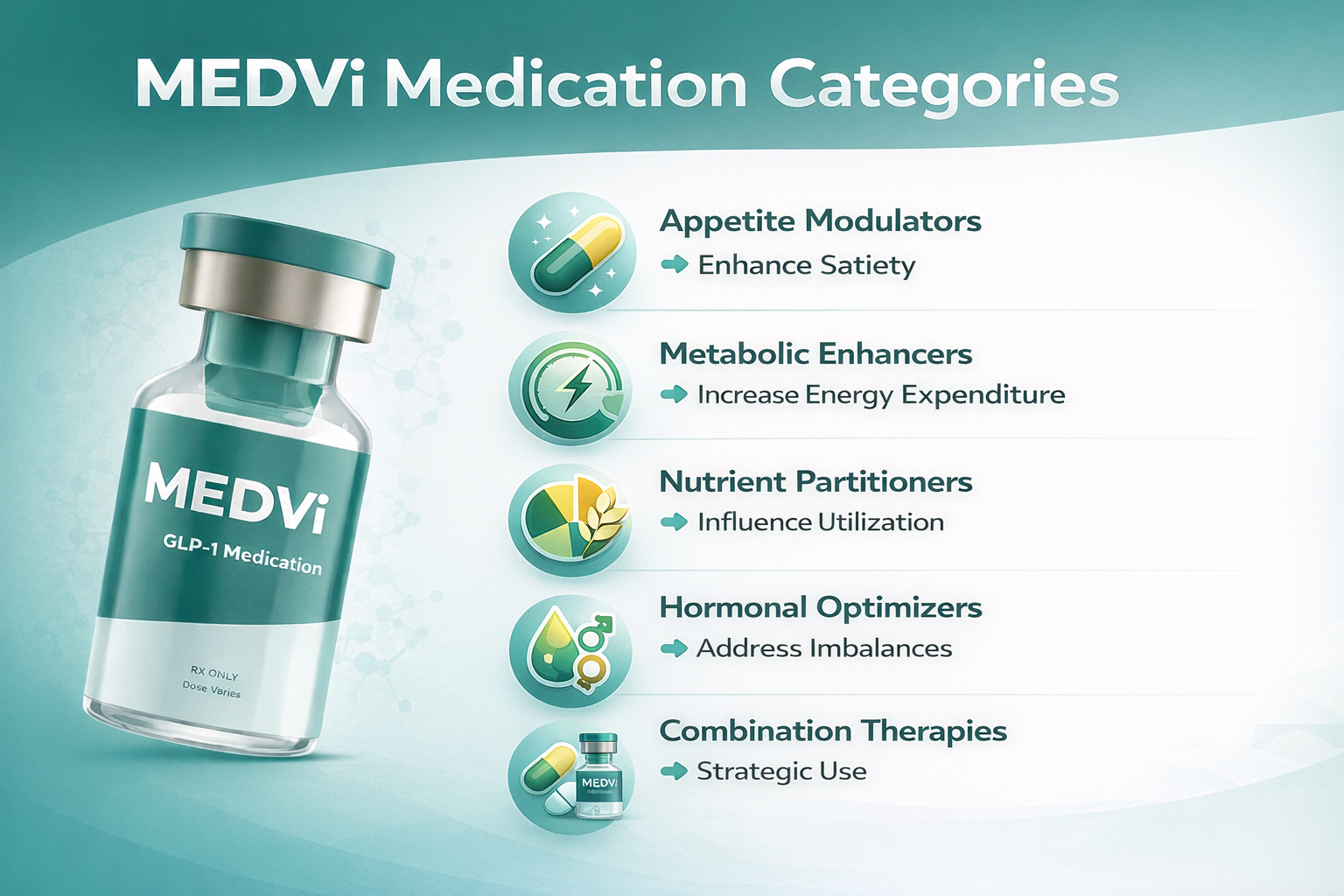
MEDVi Medication Categories
MEDVi protocols utilize several categories of evidence-based medications:
- Appetite Modulators: Agents that enhance satiety signaling and reduce hunger perception
- Metabolic Enhancers: Compounds that increase resting energy expenditure
- Nutrient Partitioners: Medications that influence macronutrient utilization
- Hormonal Optimizers: Agents that address endocrine imbalances affecting weight
- Combination Therapies: Strategic use of multiple agents with complementary mechanisms
The implementation of MEDVi medications for weight loss follows a phased approach beginning with monotherapy, progressing to combination strategies when indicated, and incorporating periodic “medication holidays” to assess endogenous metabolic function. This dynamic protocol allows for continuous optimization of therapeutic benefits while minimizing long-term pharmaceutical exposure.
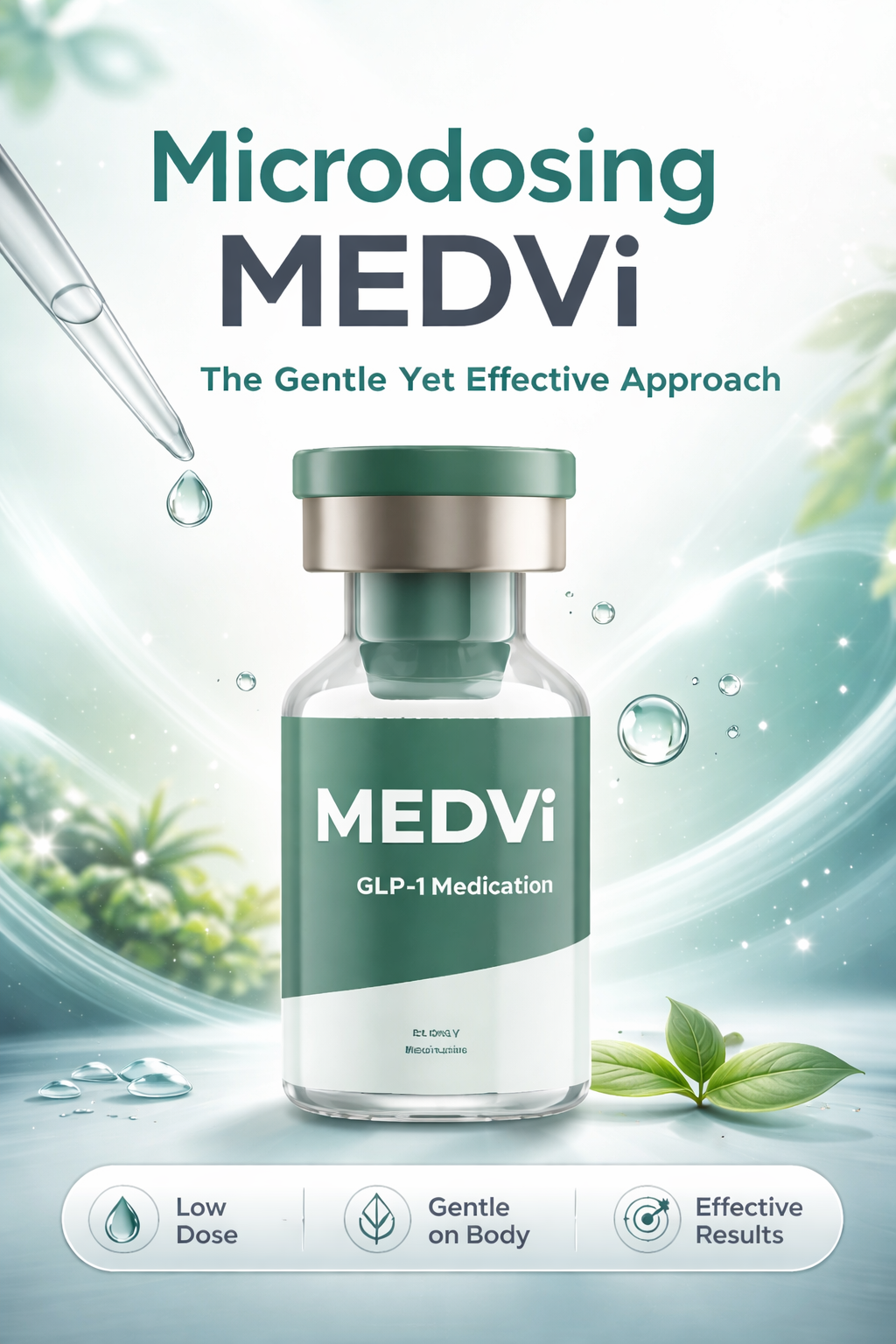
Microdosing MEDVi: The Gentle Yet Effective Approach
Microdosing MEDVi represents an innovative application of pharmacological principles to weight management, utilizing sub-therapeutic dosing schedules to achieve metabolic benefits while minimizing side effect profiles. This approach is particularly valuable for medication-sensitive individuals, those with contraindications to standard doses, or patients seeking a more gradual introduction to pharmaceutical support.
The Science of Microdosing Protocols
The practice of microdosing MEDVi is grounded in pharmacological principles of hormesis—the biological phenomenon where low doses of a substance produce beneficial effects while higher doses may be inhibitory or toxic. By administering medications at 10-25% of standard therapeutic doses, MEDVi practitioners can often achieve significant metabolic benefits while maintaining exceptional safety profiles and minimizing adaptation responses.
Microdosing MEDVi protocols typically involve daily or alternate-day administration of carefully selected medications, with gradual titration based on individual response and tolerance. This approach allows for fine-tuning of metabolic effects while providing the body opportunity to adapt gradually to pharmaceutical interventions—a particular advantage in long-term weight management strategies.
Applications and Advantages
The advantages of microdosing MEDVi extend beyond reduced side effects to include enhanced medication adherence, lower cost burden, reduced risk of pharmacological tolerance development, and greater flexibility in protocol adjustments. These benefits make microdosing an attractive option for many individuals beginning their weight management journey or those transitioning between different phases of MEDVi protocols.
Sustained Results: The MEDVi Maintenance Advantage
The true measure of any weight management approach lies in its ability to deliver sustainable results beyond the initial weight loss phase. MEDVi weight loss protocols excel in this regard through comprehensive maintenance strategies that address the physiological, behavioral, and psychological factors contributing to weight regain.
Physiological Adaptation Prevention
MEDVi maintenance protocols incorporate specific strategies to prevent metabolic adaptation—the body’s natural tendency to reduce energy expenditure in response to weight loss. Through periodic metabolic testing, nutritional periodization, and strategic use of MEDVi medications during maintenance, these protocols help preserve metabolic rate and prevent the weight regain commonly experienced with conventional approaches.
Behavioral Sustainability
Beyond physiological considerations, MEDVi protocols emphasize behavioral modification strategies with proven sustainability. These include habit formation techniques, environmental restructuring, stress management protocols, and social support systems—each integrated into the maintenance phase to support long-term weight management success.The maintenance phase of MEDVi protocols represents a graduated transition from intensive intervention to sustainable self-management, with continued but decreasing levels of professional support. This phased approach acknowledges that lasting weight management requires both initial intensive intervention and ongoing support systems to navigate the challenges of maintenance in our modern food environment.
❓Frequently Asked Questions About Advanced MEDVi Protocols
1. What distinguishes MEDVi from conventional weight loss programs?
Beyond physiological considerations, MEDVi protocols emphasize behavioral modification strategies with proven sustainability. These include habit formation techniques, environmental restructuring, stress management protocols, and social support systems—each integrated into the maintenance phase to support long-term weight management success.
The maintenance phase of MEDVi protocols represents a graduated transition from intensive intervention to sustainable self-management, with continued but decreasing levels of professional support. This phased approach acknowledges that lasting weight management requires both initial intensive intervention and ongoing support systems to navigate the challenges of maintenance in our modern food environment.
2. How do I determine which MEDVi protocol is right for me?
Protocol selection begins with comprehensive metabolic assessment including advanced laboratory testing, body composition analysis, medical history review, and lifestyle evaluation. MEDVi practitioners utilize decision algorithms incorporating over 30 clinical parameters to match individuals with optimal protocol combinations. This personalized approach ensures both efficacy and safety throughout the weight management journey.
3. Are MEDVi protocols safe for individuals with other medical conditions?
MEDVi protocols are designed with consideration for comorbidities through careful medication selection, appropriate monitoring, and coordination with other healthcare providers when necessary. The comprehensive diagnostic phase identifies potential contraindications and allows for protocol customization to ensure safety while addressing weight management needs. Regular monitoring throughout treatment further enhances safety for individuals with complex medical histories.
4. What is the typical duration of MEDVi treatment protocols?
MEDVi protocols typically follow phased durations: Intensive Phase (3-6 months focusing on significant weight reduction), Transition Phase (2-3 months stabilizing results), and Maintenance Phase (ongoing with decreasing intervention intensity). Total active intervention typically spans 6-12 months, with continued support available indefinitely to sustain results. The specific timeline is personalized based on individual goals, response rates, and metabolic characteristics.
5. How does MEDVi address the challenge of weight regain after treatment?
MEDVi incorporates specific strategies to prevent weight regain including metabolic adaptation prevention techniques, behavioral modification with proven sustainability, gradual medication titration rather than abrupt cessation, ongoing monitoring with early intervention for weight recurrence, and development of personalized maintenance plans addressing individual risk factors for regain. These comprehensive approaches result in significantly higher weight maintenance rates compared to conventional programs.
Begin Your Advanced Medical Weight Loss Journey Today
Experience the transformative power of scientifically-validated MEDVi protocols featuring metabolic optimization, personalized treatment plans, and comprehensive medical supervision for sustainable results.
This website may earn compensation from certain offers and links displayed. Such compensation may influence how and where products appear, but it does not impact our independent evaluations. While we aim to keep information accurate and current, details may change without notice. Always review the provider’s terms and conditions before proceeding.
Disclaimer | Terms & Conditions | Contact Us | Privacy Policy
Copyright © 2026